e-Twinning Blog Photos
As part of our Math Emotions eTwinning project, our school continues to explore the relationship between mathematics and students’ feelings. This meaningful journey recently came together in an engaging online meeting with our project partners, where we shared our ideas, results, and experiences.
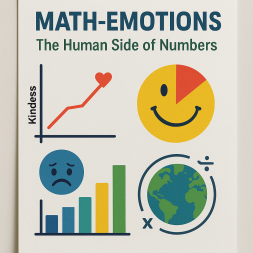
During the project process, students observed their emotions in math lessons and daily life, expressing them through colors. Each color represented a different feeling—such as blue for calmness, red for excitement or difficulty, yellow for happiness, and green for growth. After a week of observation, students analyzed their data by counting their emotions and calculating percentages, helping them better understand their personal learning processes.
In our eTwinning meeting, students had the opportunity to present their findings to their peers from different schools and countries. They introduced their Mood Boards, which visually represented their emotions and mathematical experiences. The meeting created a collaborative environment where students could compare results, notice similarities and differences, and discuss how emotions can affect learning.
Additionally, the meeting encouraged communication in English, teamwork, and digital presentation skills. Students actively participated, asked questions, and shared their thoughts confidently. It was inspiring to see how mathematics can connect students not only with numbers but also with each other.
This combined experience of project work and international collaboration showed that math is not just a subject—it is a shared human experience shaped by emotions, creativity, and interaction.
We look forward to continuing our collaboration and discovering more together in the Math Emotions journey!
In our school, we are proud to be part of the Math Emotions eTwinning project, where students explore the connection between mathematics and their feelings. This project aims to show that math is not only about numbers and formulas, but also about emotions, experiences, and personal growth.
Throughout the project, students carefully observed their emotions during math lessons and daily activities involving mathematics. Each day, they expressed their feelings by choosing a color that best represented their mood. For example, blue often symbolized calmness and understanding, while red reflected excitement or frustration. Yellow represented happiness and confidence, and green showed progress and development.
After collecting their data for a week, students analyzed their results by counting how often they experienced each emotion and calculating percentages. This process helped them recognize patterns in their emotional responses to mathematics and improved their data analysis skills.
One of the most enjoyable parts of the project was creating Mood Boards. Students designed creative and colorful visuals to present their emotions and findings. These mood boards allowed them to express themselves artistically while also communicating their mathematical thinking.
The Math Emotions project has helped students become more aware of their feelings toward mathematics and understand that it is normal to experience a variety of emotions while learning. By combining math with creativity and self-expression, students developed both their analytical and emotional skills.
We are excited to continue this journey and share more inspiring results in the future!
As part of our Math Emotions eTwinning project, we held an engaging and interactive online meeting with our project partners. The meeting brought together students from different schools and countries to share their experiences and ideas about the connection between mathematics and emotions.
During the meeting, students presented their work and talked about how they expressed their feelings about math using colors. They explained the meanings behind their color choices and shared examples from their own experiences. It was interesting to see both similarities and differences in how students feel about mathematics.
One of the highlights of the meeting was the presentation of the students’ creative Mood Boards. These visual designs helped students clearly express their emotions and made the presentations more colorful and engaging.
The meeting also provided a great opportunity for students to practice their English speaking skills, improve their confidence, and develop their communication abilities. They listened to each other carefully, asked questions, and actively participated in discussions.
Overall, the eTwinning meeting was a valuable and enjoyable experience. It showed that mathematics can connect students not only through learning, but also through shared emotions and collaboration.
